
Low-Calorie Cooking for Beginners: Essential Culinary Skills
Master the basic kitchen skills and techniques to cook delicious, satisfying low-calorie meals at home without losing flavor.
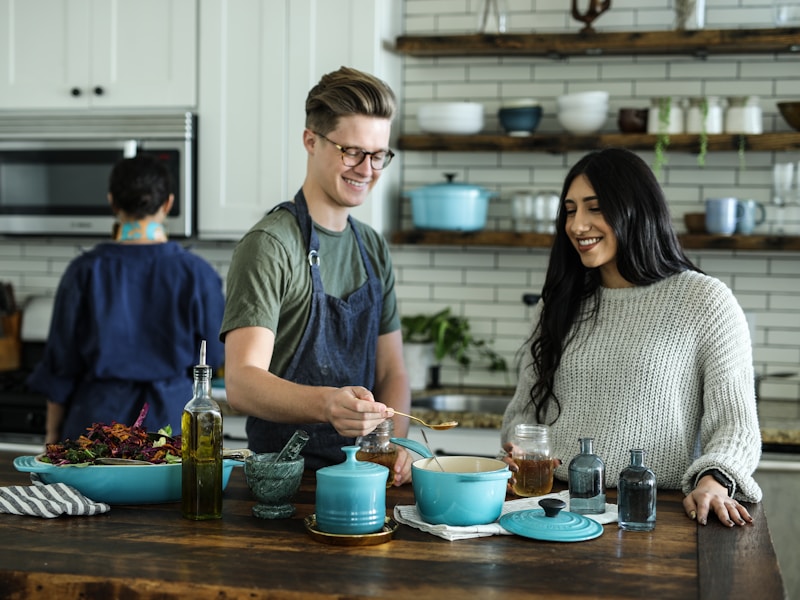
Many people associate low-calorie eating with bland, boiled chicken and tasteless steamed vegetables. But healthy cooking doesn't have to mean sacrificing flavor. By mastering a few basic kitchen techniques, you can cook delicious, satisfying meals that support your fitness goals. Here is your beginner's guide to flavor-packed, low-calorie culinary skills.
1. Master the Non-Stick Pan and Oil Spray
One of the easiest ways to blow your calorie budget is by pouring oil directly from the bottle into the pan. Traditional cooking oils contain roughly 120 calories per tablespoon. To reduce this fat source dramatically:
- Use high-quality non-stick cookware: Good pans require far less lubrication to prevent sticking.
- Switch to oil sprays: Using a refillable spray bottle or a commercial cooking spray lets you coat the pan with a fraction of a teaspoon (saving 100+ calories per meal).
- Sauté with broth or water: You can sauté onions, garlic, and vegetables using a splash of vegetable or chicken broth. Add a tablespoon at a time as the liquid evaporates to keep food moving without burning.
2. Harness the Power of Spices and Herbs
Fat is a flavor carrier, which is why butter and cream make food taste good. When you reduce fat, you must compensate by adding depth through herbs and spices. Stock your pantry with these essentials:
- Smoked Paprika & Cumin: Perfect for adding a warm, smoky depth to beans, meats, and roasted vegetables.
- Garlic & Onion Powder: Fast, easy flavor enhancers that go well on almost anything.
- Fresh Herbs: Cilantro, basil, parsley, and dill added at the end of cooking bring freshness and brightness to a dish.
- Chili Flakes & Cayenne: Add a kick of heat that stimulates the palate and boosts satiety.
3. Roast for Maximum Flavor
Roasting caramelizes the natural sugars in vegetables and meats, creating a rich, sweet, and savory flavor profile. To roast with minimal calories:
Cut vegetables (like broccoli, brussels sprouts, carrots, or cauliflower) into uniform pieces. Toss them in a large bowl with a tiny spray of olive oil, salt, pepper, and garlic powder. Spread them in a single layer on a baking sheet. Roast at 400°F (200°C) until the edges are beautifully browned and crispy. This technique turns humble vegetables into absolute treats.
4. Use Acids to Brighten Dishes
If your food tastes flat or like it is "missing something," your instinct might be to add salt or butter. Instead, try adding an acid. Acid brightens flavors and makes dishes taste vibrant. Try these options:
- A squeeze of fresh lemon juice over baked fish or grilled chicken.
- A splash of lime juice on tacos, salads, or bowls.
- Apple cider vinegar or balsamic vinegar drizzled on roasted vegetables.
- Rice vinegar and a touch of soy sauce for Asian-inspired stir-fries.
5. Stock a Low-Calorie Flavor Pantry
Make low-calorie cooking effortless by keeping these flavor boosters on hand:
- Mustards: Yellow, Dijon, and stone-ground mustards have almost zero calories and add instant tang.
- Hot Sauces: Standard hot sauces (Sriracha, Tabasco, Cholula) are low in calories and add heat and acidity.
- Soy Sauce & Tamari: Add rich umami flavor to marinades and stir-fries.
- Canned Diced Tomatoes: Great base for low-calorie curries, pasta sauces, and stews.
By shifting your cooking focus from heavy fats to spices, acids, and proper cooking techniques, you will find that low-calorie meals can be the most delicious dishes in your weekly rotation.